How to adopt a rabbit
Want to know more about adopting a rabbit through the RSPCA? This guide explains how our adoption process works, how we match rabbits with suitable homes and what to consider before applying.
Jump to:
Rabbit adoption process
Find a rescue rabbit
Start by using our Find a Pet search to adopt a rabbit or bunny near you. You can filter by location to discover rabbits available at centres and branches nearby.
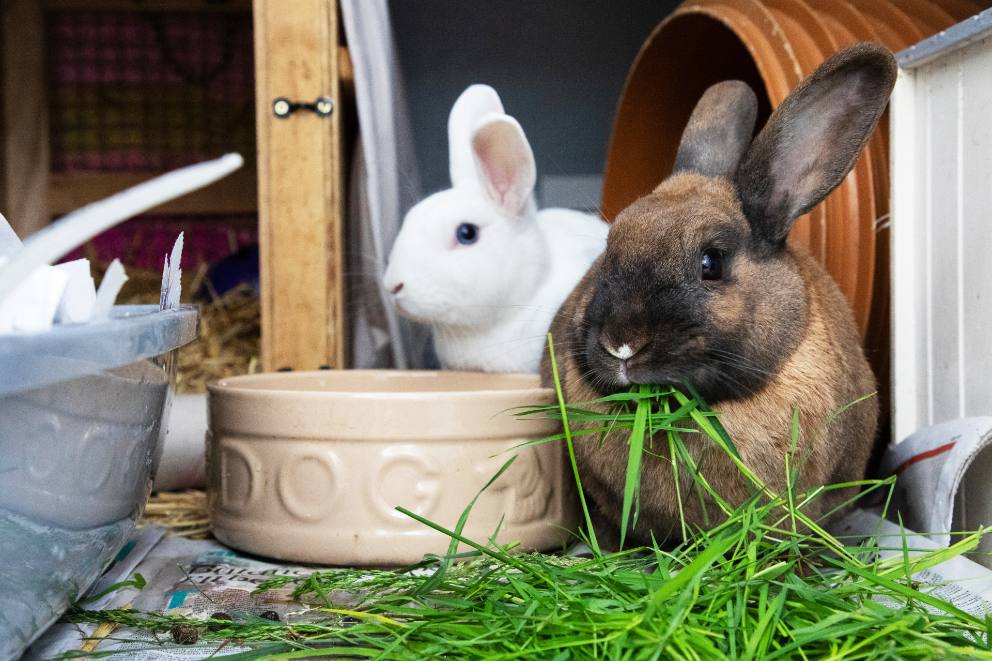
Each profile explains the rabbit’s personality, background and care needs. Some rabbits are looking for homes as bonded pairs, because rabbits are social animals who thrive with companionship.
Reading each profile carefully helps you rehome a bunny who’s a good match for your lifestyle.
Apply to adopt a bunny near you
Once you’ve found a rabbit you’d like to adopt, complete the application on their profile page to rehome a rabbit from the RSPCA.
This helps our teams understand your home environment, experience and what you’re looking for in a companion, and you should hear back within 48 hours. If the rabbit you applied for isn’t the right match, we’ll help you find another rabbit who may suit your home better. Many people who apply to adopt a rabbit end up meeting a rabbit they hadn’t originally considered. Some rabbits are ready to be rehomed immediately, so make sure you’re ready too.
You don’t need an RSPCA account to apply, but having one makes it easier for you to add rabbits to your favourites and track your application.
Meet and get to know each other
If your application is a suitable match, our team will invite you to meet the rabbit or pair of rabbits.
Meetings take place at the animal centre and help our teams understand your home environment, experience and whether you and the rabbit/s are suitable companions. Some rabbits are ready to be rehomed immediately, so make sure you’re ready for your match too.
Spending time together can help both you and the rabbits get to know each other and see if you fit. It helps everyone feel more comfortable and confident before any final decision is made.
Prepare your home
Before bringing your rabbit home, it’s important to prepare a safe and suitable living space.
Our team may discuss housing, exercise areas and enrichment with you to make sure your environment meets the rabbit’s needs. Rabbits need plenty of space to move, explore and express natural behaviours, and many are rehomed as bonded pairs who should stay together.
Taking time to prepare their environment helps your rabbit settle in more comfortably.
If you’re collecting your rabbit, you'll need an appropriate carrier with suitable bedding to transport them home.
Complete the adoption
Once everything is agreed, we’ll guide you, if you’re the lead adopter, through the final paperwork and adoption fee. Your rabbit will be health checked and neutered where possible. We’ll make sure you have everything you need and help you to the car. If you’re happy to, we may take a photo with you and your new rabbit.
You’ll receive information about your rabbit’s health and any treatment they’ve had, along with settling-in advice and ongoing support if you need it.
Find a pet
Meet our rescue rabbits

What pet is right for me?
Answer a few questions and discover which rescue pet may suit you best based on your lifestyle, home and family.
We’ll provide you with a recommendation on the pets who might be right for you along with advice and any changes that could make you a better match.
Before you apply
What we need from you
Rabbits have specific needs, so it’s important to consider whether your home and routine can support them. We’ll look at your available space, lifestyle and any children or other pets in your household. We’ll also find out about your experience, such as if you’re a first-time owner, you've trained a rabbit before or have previously had a pet with medical or behavioural needs. Rabbits can live eight to twelve years or longer and need daily care, companionship and plenty of space, so adoption is a long-term commitment.
Before you apply to rehome a rabbit, we ask that you:
- Are aged 18 or over
- Have permission from your landlord if you rent
- Can provide a safe and suitable home environment with enough space
- Can meet the rabbit’s needs for daily care, enrichment and exercise
- Understand that rabbits are social and may need to be adopted in bonded pairs
- Understand the long-term commitment of rabbit ownership
If the rabbit you apply for isn’t the right match, we’ll help you explore others who may suit your home better.
Rabbit adoption fees
If you’re wondering how much it costs to adopt a rabbit from the RSPCA, fees vary between centres. Adoption fees help cover the cost of preparing each rabbit for rehoming and supporting their care while they are with us.
Adoption fees also support our rescue work and allow us to help more rabbits in need.
Your fee contributes towards:
Microchipping
Vaccinations where available
Neutering where appropriate
Daily care while the rabbit is with us
Veterinary checks
Frequently asked questions
-
Rabbits are social animals and usually thrive with companionship. Many rabbits available for adoption are bonded pairs and must be adopted together.
-
Possibly. Our teams will consider the safety and wellbeing of all animals in the household when assessing applications.
-
Some rabbits can live indoors if they have enough safe space to move, explore and exercise. Our teams can offer guidance on suitable housing during the adoption process.
-
Our team can guide you through necessities. Most of our centres sell the essentials in our on-site shops and your purchases directly support our centres. We recommend all pet owners have pet insurance.
-
We provide a full medical history and it's good practice to arrange a routine vet check post-adoption. In some cases, you may wish to discuss veterinary details with your vet prior to adoption.
-
Most of our centres are not on public transport routes so you’ll need a car and a secure, well ventilated pet carrier. You should travel directly home and avoid getting your cat out of the car until you arrive.
-
Centres may provide food if the animal needs a special diet (such as hypoallergenic). Generally, the centre will let you know what food the animal has been eating, so you have time to get the right food.
If the animal is on ongoing medication, the centre will provide an appropriate supply to allow adopters time to register with a vet and arrange ongoing prescriptions or treatment. The animal should be up to date on preventative parasite treatments, so these will not usually be given.
-
Every rabbit responds differently to a new home. Some may settle into their new routine quickly, while others need more time. There’s no set timeframe or single pattern of behaviour to expect in the first week. Give your rabbit time to get used to their new surroundings at their own pace.
-
Rabbits don’t have to be litter trained, but many learn to use a litter tray. They often choose one spot to toilet naturally, and providing a tray in that area can help encourage the behaviour.
-
We recommend a hutch that’s at least 6ft x 2ft x 2ft for two average-sized rabbits, with constant access to a large exercise run. Rabbits need space to hop, stretch and stand upright, so a hutch alone is not enough for their daily needs.